
 Give Us a Call
 Request a Quote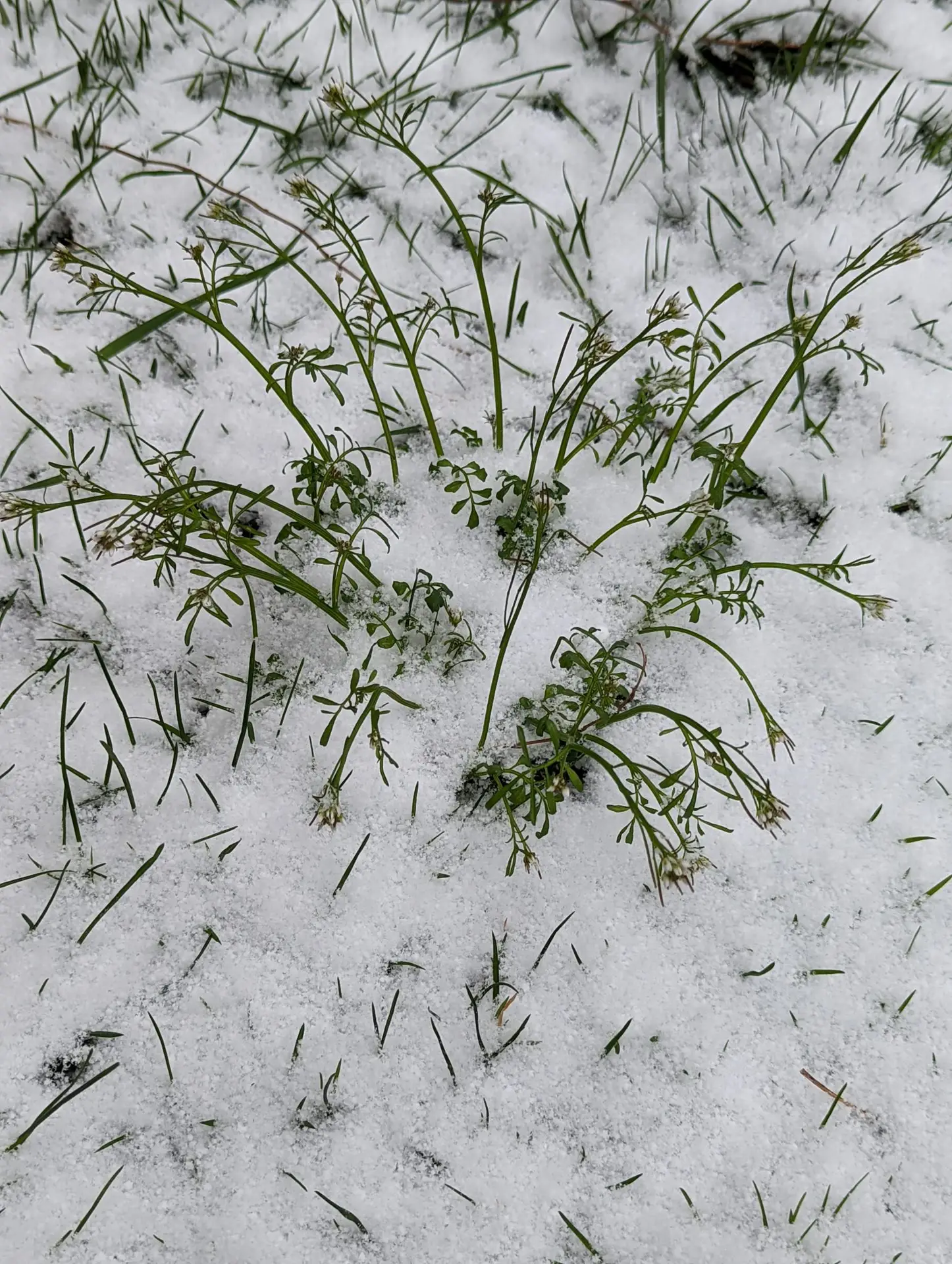
Winter is knocking on the door, and you might be tempted to think your lawn is taking a well-deserved break. But guess what? Your yard is like a winter warrior, gearing up for the cold season ahead.
During the winter months, our lawns go through some significant changes. Here are some of the things that happen during this season:
- Growth slows down: As the temperatures drop, the growth of grass and other plants slows down. This is a natural response to the changing weather conditions.
- Dormancy sets in: During the winter, grass and other plants enter a state of dormancy. This means they are conserving energy and resources to survive the cold weather.
- Accumulation of debris: Leaves, branches, and other debris can accumulate on our lawns during winter. This can create a layer of insulation that protects the grass and soil from extreme temperatures.
- Soil compaction: Heavy snow and ice can cause soil compaction, damaging the roots of grass and other plants.
- Risk of damage: Extreme weather conditions, such as freezing temperatures and heavy snowfall, can damage our lawns. This is why protecting our turf during the winter months is important.
To help our lawns during the winter months, we can take several steps:
- Mow and water: Before the first frost, it’s important to mow your lawn and water it deeply. This will help the grass and other plants store enough nutrients to survive the winter.
- Remove debris: Remove leaves, branches, and other debris from your lawn. This will prevent the accumulation of moisture and reduce the risk of disease.
- Aerate the soil: Aerating the soil before the winter can help reduce soil compaction and improve the circulation of air and nutrients to the roots.
- Apply organic fertilizer: Organic fertilizer in the fall can help provide essential nutrients to the grass and other plants during the winter months.
- Cover the lawn: Consider covering your yard with a light layer of topdressing. This will help insulate the grass and soil from extreme temperatures and prevent erosion.
By taking these steps, you can help ensure your lawn stays healthy and strong, even during the harsh winter months.
Leave a Reply